

The Future of Art Collecting Starts in the Living Room
Home decor trends are a preview of collector psychology. Three deeper cultural shifts explain what people want to live with now, and what they’ll invest in.
Why Home Decor Trends Predict the Future of Art Collecting
If you want to sell art in 2026, you need to understand where collectors are, emotionally and aesthetically. Home decor trends are some of the best clues we have. They tell us what people crave, how they want their homes to feel, and what they’re willing to invest in, emotionally and financially.
The future of art collecting is being shaped by three cultural forces that show up first in how people decorate. Homes are becoming sensory sanctuaries, rooms are being built around identity and meaning, and buyers are adopting a curator mindset that favors fewer, bigger, more meaningful pieces.

Home decor is never really about the interiors. It’s a preview of collector psychology. When a look starts trending, something has shifted in how people think, and in how they discover, choose, and invest in art.
What follows comes from more than 20 years of selling my own art and from what I see coaching hundreds of artists and watching what sells in real time. Some of it, honestly, comes from the mahjong table. I have lunch regularly with some of the top interior designers in New York City, and I’m always picking their brains about how they choose art for their clients and what’s working now.
I’ve covered the individual trends before, in my breakdown of the eight biggest decor trends shaping 2026. This article goes a layer deeper, into why those trends exist.
Before we start: none of this is a prescription. Read each trend as an invitation to grow your art practice. You don’t have to bury your voice to take it.
Prefer to watch? I walk through all three shifts in the video version of this episode.

Shift 1: The Return of the Sensory Home
The first big shift is the rise of sensory homes: environments designed to calm us, ground us, and help regulate our nervous systems. You’ll recognize the look. Moody rooms, velvet and linen, plaster and ceramics, textured botanicals, wabi-sabi imperfection, dark wood frames, and atmospheric lighting.

We’re living in a hyperstimulating, AI-saturated world. Notifications ding all day, the content never stops, and people are exhausted. Home has to work as an emotional sanctuary, so I’d call this a nervous system trend as much as a design trend. If that idea resonates, listen to my conversation with therapist-turned-coach Anna Holtzman, Stop Ghosting Your Goals, about how nervous system responses shape the way we pursue creative goals.
Designers are seeing it too. In 1stDibs’ survey of 468 interior designers on 2026 trends, the share citing burgundy as a trending color jumped from 7% for 2025 to 21% for 2026, and dark green and sage also grew.
In my work with artists right now, cyanotypes, textiles, mixed media, expressive landscapes, and pieces with real shadow and dimension are moving well. People want art with depth, something that feels like a portal, not a poster.
All of this runs opposite to the flat, sterile minimalism that ruled Instagram. That look was always hard to pull off. Think of the all-white, Apple Store feel of the home Kim Kardashian and Kanye West shared. Almost nobody can live like that.
If your art has texture or mood, photograph it up close so people can see the surface and your hand in it. Buyers want to feel the work through the screen.
Shift 2: The Rise of Story-Rich Spaces
The second shift is toward story-rich spaces: homes designed around identity, memory, and meaning. People are rejecting the catalog-perfect home. They want rooms that feel lived in and personal, which is why heritage maximalism is taking off. The point is curation, collecting what matters instead of collecting everything.

The same 1stDibs survey shows designers sourcing this way. On average, 36% of the items they sourced for a project in 2025 were vintage or antique, the highest share since 2021. Those are furnishings rather than original art, but they reflect the same appetite for objects with a history.
For artists, that’s a real opening. Collectors are choosing art that reflects who they are: their heritage, their sense of belonging, their spiritual beliefs, their subculture, their values. If your work touches any of that, talk about it. In my experience, what a piece means to a collector matters far more than whether it matches this year’s trending colors.
Make sure your About page and your captions explain why you made the work and what it’s about. If you’re struggling to put that into words, it’s exactly what I work on with artists in my one-on-one Signal Excavation™ sessions.
Small works and the gallery wall
Small works can slot nicely into a curated story wall, and they do sell for that purpose. Still, I hesitate to push the gallery wall trend too hard. A lot of collectors have trouble picturing a wall of small pieces, arranging one is real work, and plenty of them would rather buy one big artwork to fill the space.
If you sell small work, do the imagining for them. Hang a gallery wall in your studio, mixing your pieces with different sizes and shapes and even a mirror or two, and photograph it. Or style a piece on a bookshelf and shoot it in situ. Those images show collectors how small art can actually live in a home.

Shift 3: The Curator Mindset
The third shift is my favorite. I call it the curator mindset.
After swinging from maximalism to minimalism and back to maximalism again, people seem done with extremes. From what I’m seeing, buyers are choosing fewer, bigger, more meaningful pieces: one to three focal points that define a room, instead of ten little things they forget about.

That’s why I’m seeing large-scale work sell, along with diptychs and triptychs, bold compositions, oversize botanicals, and expressive abstracts, often at higher price points.
What these buyers want is a focal point with soul.
If you already make large work, lean into it. If you don’t, consider building a collection designed for scale, and show each piece installed in a room so buyers can imagine living with it.
Scale as a growth edge

I had this conversation recently with Sandy, an artist in my Artist Incubator who paints small plein air pieces and has been wrestling with going bigger. I told her to set aside whether larger work would sell better and treat it as her next creative edge.
Monet is the example I keep coming back to. He painted his water lily pond for years on smaller canvases. Then in 1914, at 74, he set out to create something on a grand scale and had a new studio built at his home in Giverny so he could work on water lily canvases more than two metres (over six and a half feet) high. He gave the panels to France, and they were installed in two oval rooms at the Musée de l’Orangerie in Paris the year after his death.
How Artists Should Adapt to These Shifts
You don’t need to follow trends. You do need to understand what people want from their homes, because that’s a good preview of what they’ll want from their art.
- Photograph for texture and atmosphere. If buyers are gravitating toward warmer, more tactile interiors, close-ups help them see what makes the surface of your work special.
- Lead with your story and symbolism. Tell collectors why you made the piece and what it means to you.
- Offer larger or multi-panel work. Someone looking for the one piece that anchors a wall needs options at that size.
Start with the shift you’re already noticing in your own collectors.
Frequently Asked Questions
What is the future of art collecting?
The future of art collecting is being shaped by three forces visible in home decor: sensory homes designed to calm, story-rich spaces built around identity, and a curator mindset that favors fewer, bigger pieces.
How do interior design trends affect what art sells?
Decor trends show how people want their homes to feel, which previews what they’ll want on their walls. Moody, tactile rooms suit art with texture and atmosphere, and personal, lived-in rooms suit art with a story.
What kind of art fits a sensory home?
Work with depth and atmosphere. Among the artists I coach, cyanotypes, textiles, mixed media, expressive landscapes, and pieces with shadow and dimension are moving well right now.
Are small artworks still selling?
Yes. Small works fit curated story walls, but many collectors struggle to arrange a gallery wall, so photograph small pieces grouped on a wall or styled on a bookshelf.
Why is large-scale art selling?
Many buyers now want one to three focal points per room instead of many small pieces. In my experience, that’s helping large works, diptychs, triptychs, and bold abstracts sell, often at higher price points.
Should artists change their style to follow decor trends?
No. Treat trends as invitations to grow, and explore a direction like larger scale only if it’s a creative edge you genuinely want to pursue.
How should artists photograph textured artwork?
Shoot close enough to show the surface and the hand of the artist, then add in-room images so collectors can see the piece at scale.
Sources
- 1stDibs, “2026 Interior Design Trends: 1stDibs Survey Identifies Maximalism, Chocolate Brown, and Vintage Antiques as Top Designer Choices” — results of a survey of 468 interior designers, including color and vintage-sourcing figures
- The National Gallery, London, “Water-Lilies” by Claude Monet — Monet’s Giverny studio and the scale of his late water lily canvases
- Musée de l’Orangerie, “History of the Water Lilies Cycle” — how the Water Lilies project began in 1914 and came to the Orangerie
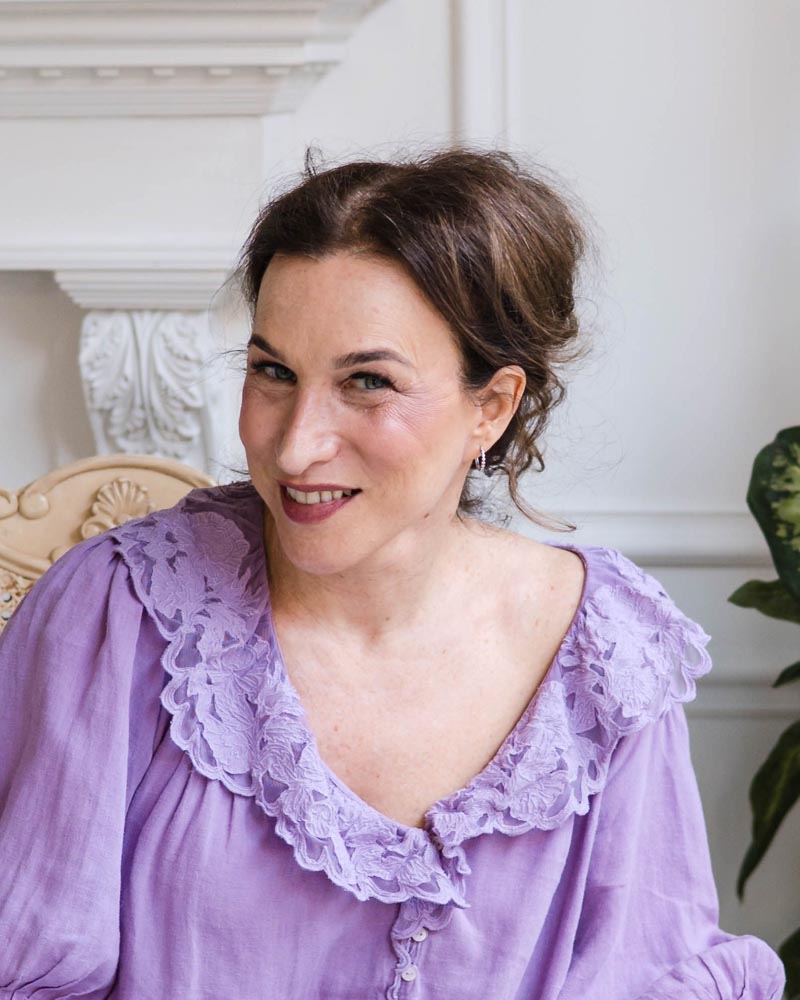
About Miriam Schulman
Miriam Schulman is an artist business coach, working artist, and author of Artpreneur: The Step-by-Step Guide to Making a Sustainable Living from Your Creativity, published by HarperCollins Leadership. After building her own multiple-six-figure art business, Miriam created The Inspiration Place, a podcast ranked among the top 0.5% of podcasts worldwide by Listen Notes. Through her coaching programs, podcast, and book, she has helped thousands of visual artists strengthen their marketing, attract collectors, and build sustainable art businesses.
Ready to Position Your Art for Where Collectors Are Heading?
Get my help with the messaging, photography, pricing, and visibility that put your work inside these shifts.
Apply to Work With Me →